Ever since 2003, the Textile Museum, together with the adjoining Biblioteca Comunale Lazzerini, is situated in the restored rooms of the former Campólmi woollen mill, jewel of 19th century industrial archeology. The building was built in 1864 to house the Campolmi shearing mill, incorporating an earlier textile factory dating to 1834. Additional structures were subsequently added in order to manage other phases of the production process, such as the high chimney in 1896 and the dyeworks in 1950 or thereabouts.
The site is accessed from Via Santa Chiara by means of a large, elongated quadrilateral square characterised by its large central tank in which the almost fifty metre-high chimney is reflected.
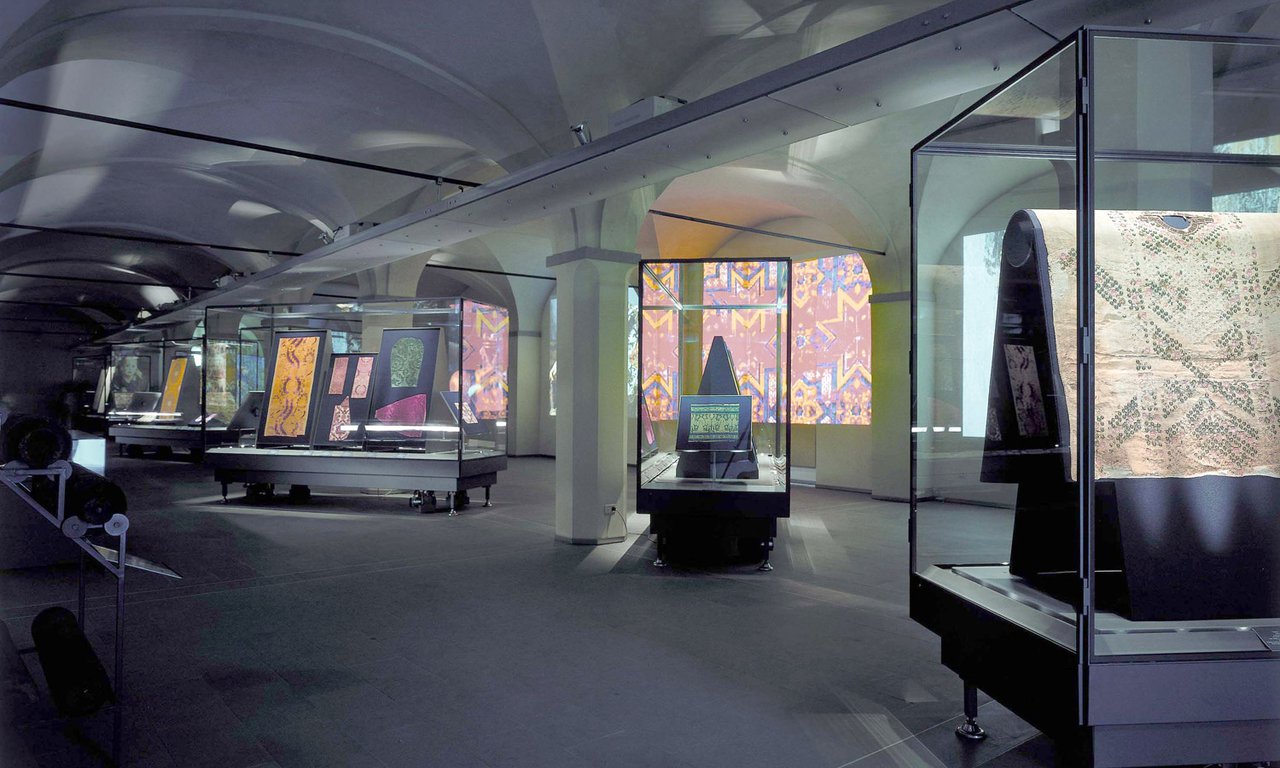
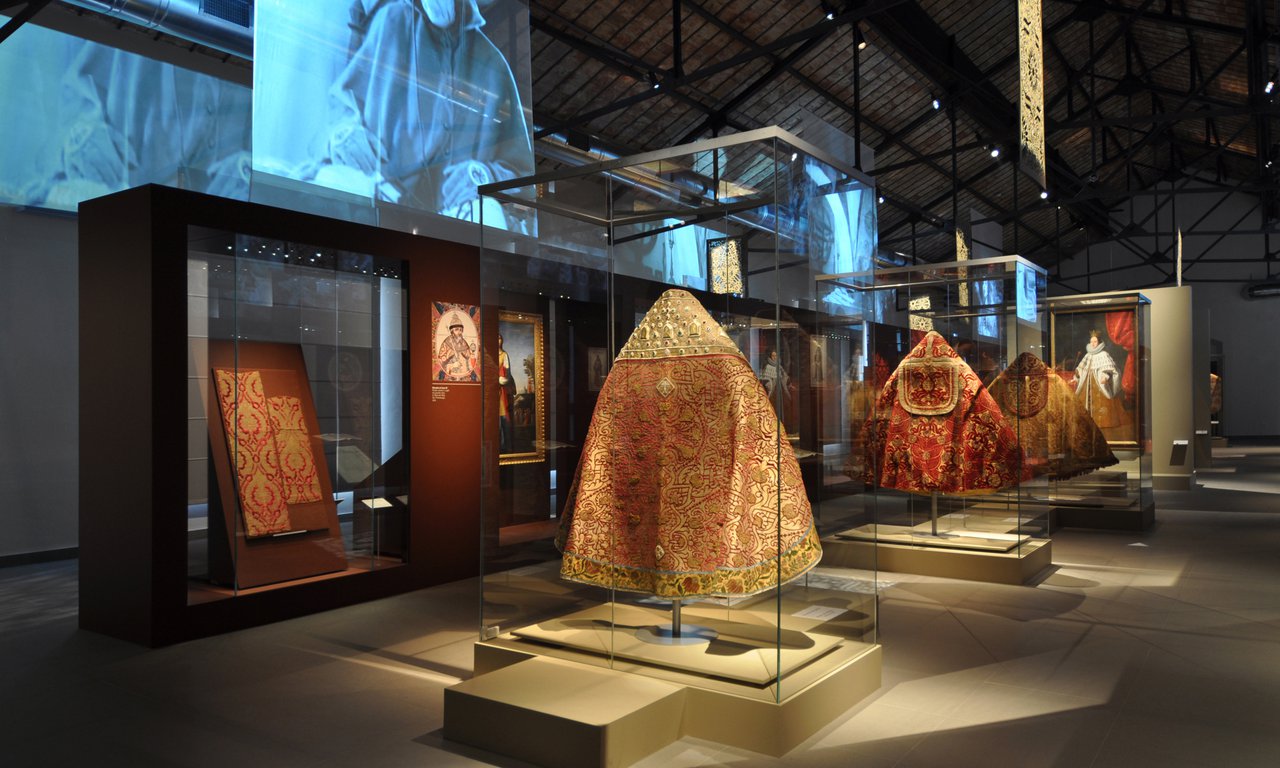
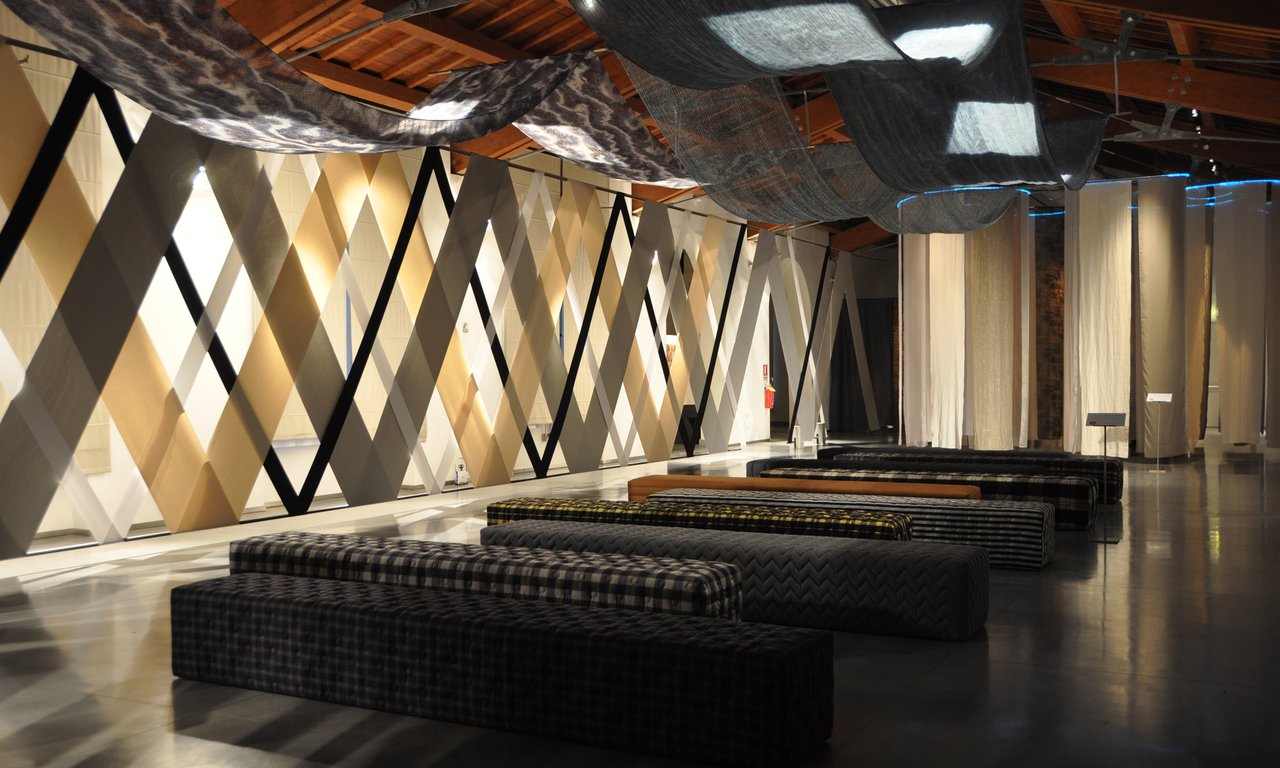
Inside, the museum route unfolds over two floors and roughly 2400 square metres. The heritage of the Textile Museum is made up of a collection of exhibits of uttermost international relevance. The art of textiles is documented from the paleochristian era up to the present day in all its most varied techniques, spanning a total of roughly 6000 items. The Museum’s collections were created thanks to a constant flow of donations from companies, private and public bodies, and individuals alike. The periodical exhibitions held here illustrate historical aspects as well as the modernity of textiles and fashion. For those wishing to gain a thorough understanding of the city, this is not to be missed.
Ever since 2003, the Textile Museum, together with the adjoining Biblioteca Comunale Lazzerini, is situated in the restored rooms of the former Campólmi woollen mill, jewel of 19th century industrial archeology. The building was built in 1864 to house the Campolmi shearing mill, incorporating an earlier textile factory dating to 1834. Additional structures were subsequently added in order to manage other phases of the production process, such as the high chimney in 1896 and the dyeworks in 1950 or thereabouts.
The site is accessed from Via Santa Chiara by means of a large, elongated quadrilateral square characterised by its large central tank in which the almost fifty metre-high chimney is reflected.
Inside, the museum route unfolds over two floors and roughly 2400 square metres. The heritage of the Textile Museum is made up of a collection of exhibits of uttermost international relevance. The art of textiles is documented from the paleochristian era up to the present day in all its most varied techniques, spanning a total of roughly 6000 items. The Museum’s collections were created thanks to a constant flow of donations from companies, private and public bodies, and individuals alike. The periodical exhibitions held here illustrate historical aspects as well as the modernity of textiles and fashion. For those wishing to gain a thorough understanding of the city, this is not to be missed.