The monastery of San Clemente was founded in 1515 by thirteen nuns who had abandoned the Benedictine convent of San Michele in adherence to Savonarola’s rigid reform.
In 1583 the monastery required significant work due to the collapse of the choir stalls and part of the church. By 1785 the monastery had been converted into a girl’s school for wealthy young ladies. Under Napoleonic domination the complex was used by a Franciscan community. After the suppression of religious orders in 1866, it was passed to the Council which sold part of the complex back to the nuns who currently occupy it.
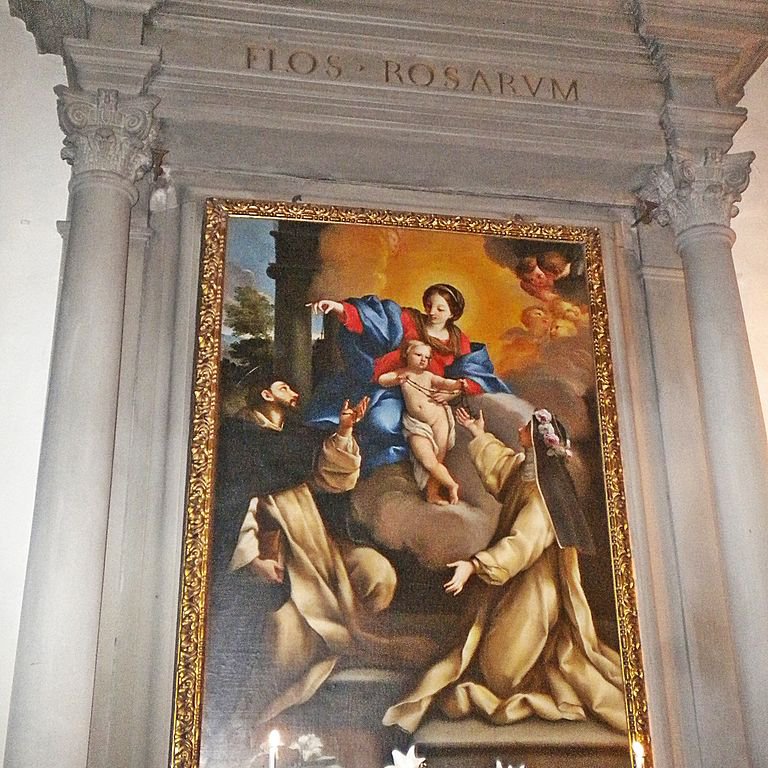
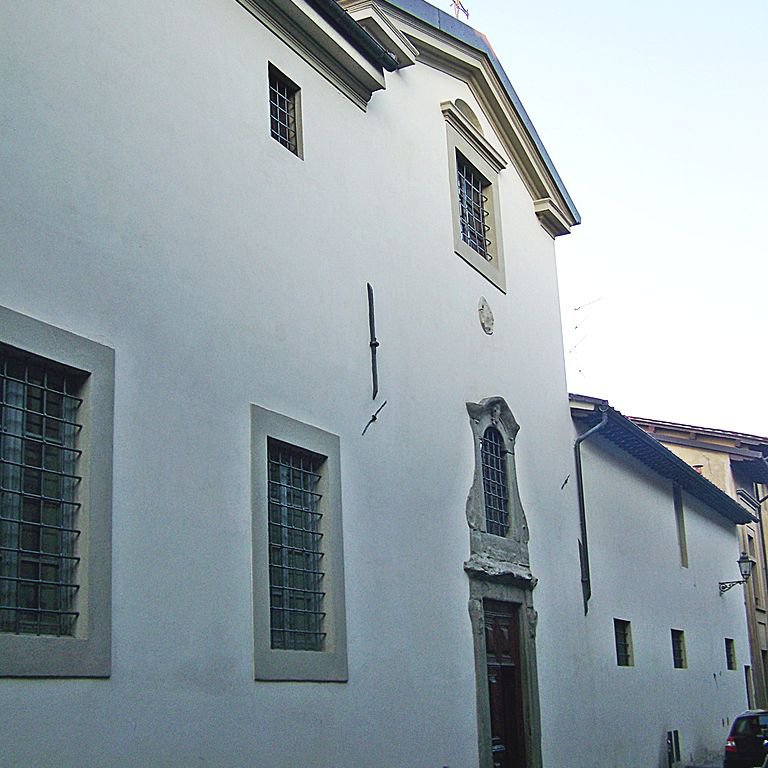
The somewhat contained public church opens out onto Via San Vincenzo. Inside, notable works of art include a Madonna of the Rosary between Saints Dominic and Rose, dating to the late 17th century.
Linked to the church is the monastic choir, which was completed in 1587. Here we can admire a notable painted statue depicting the Ecce Homo by Antonio Novelli. The Chapter House, which is of the same date and adjacent to the choir, bears decorations by Luigi Catani.
The cloister is the result of rebuilding works undertaken on the 16th century cloister in 1754. Adjacent to the south side of the cloister is the ‘stanza della badessa’, a beautiful 16th century room with a vault with lunettes decorated by Luigi Catani in 1785. Along the corridor flanking the cells we see the two chapels of the Crucifix and of Saint Benedict.
In the area opposite, the refectory is worthy of note, with its paintings by Giovan Pietro Naldini and a modern relief by Leonetto Tintori.
The monastery also houses the precious ‘setini’, namely painted banners in tempera on white silk. The only surviving examples of the hundreds to have been produced in Prato, these were made in the late 1500s to decorate the church of the Benedictine monastery of San Michele on the occasion of the main festivities and are attributed to Gregorio Pagani, a pupil of Santi di Tito and one of the most active painters in Florence at the turn of the 1500s.
The monastery of San Clemente was founded in 1515 by thirteen nuns who had abandoned the Benedictine convent of San Michele in adherence to Savonarola’s rigid reform.
In 1583 the monastery required significant work due to the collapse of the choir stalls and part of the church. By 1785 the monastery had been converted into a girl’s school for wealthy young ladies. Under Napoleonic domination the complex was used by a Franciscan community. After the suppression of religious orders in 1866, it was passed to the Council which sold part of the complex back to the nuns who currently occupy it.
The somewhat contained public church opens out onto Via San Vincenzo. Inside, notable works of art include a Madonna of the Rosary between Saints Dominic and Rose, dating to the late 17th century.
Linked to the church is the monastic choir, which was completed in 1587. Here we can admire a notable painted statue depicting the Ecce Homo by Antonio Novelli. The Chapter House, which is of the same date and adjacent to the choir, bears decorations by Luigi Catani.
The cloister is the result of rebuilding works undertaken on the 16th century cloister in 1754. Adjacent to the south side of the cloister is the ‘stanza della badessa’, a beautiful 16th century room with a vault with lunettes decorated by Luigi Catani in 1785. Along the corridor flanking the cells we see the two chapels of the Crucifix and of Saint Benedict.
In the area opposite, the refectory is worthy of note, with its paintings by Giovan Pietro Naldini and a modern relief by Leonetto Tintori.
The monastery also houses the precious ‘setini’, namely painted banners in tempera on white silk. The only surviving examples of the hundreds to have been produced in Prato, these were made in the late 1500s to decorate the church of the Benedictine monastery of San Michele on the occasion of the main festivities and are attributed to Gregorio Pagani, a pupil of Santi di Tito and one of the most active painters in Florence at the turn of the 1500s.