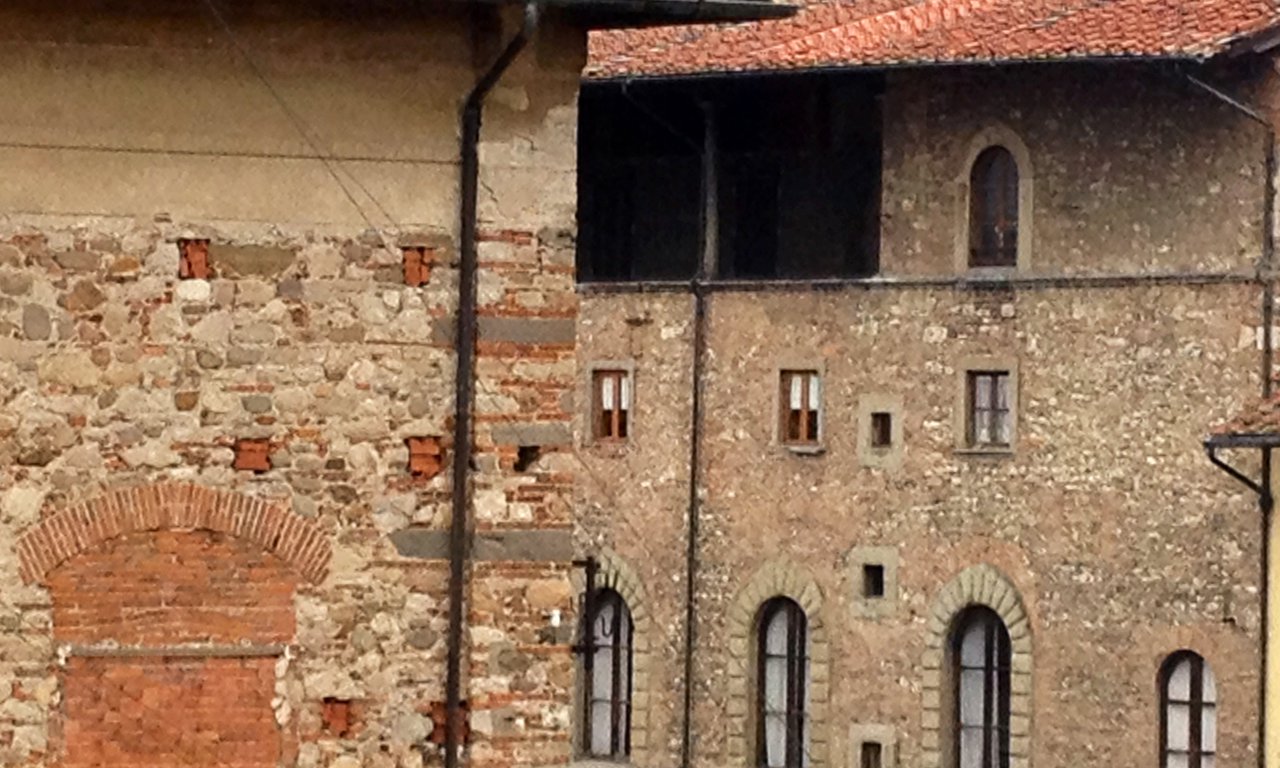
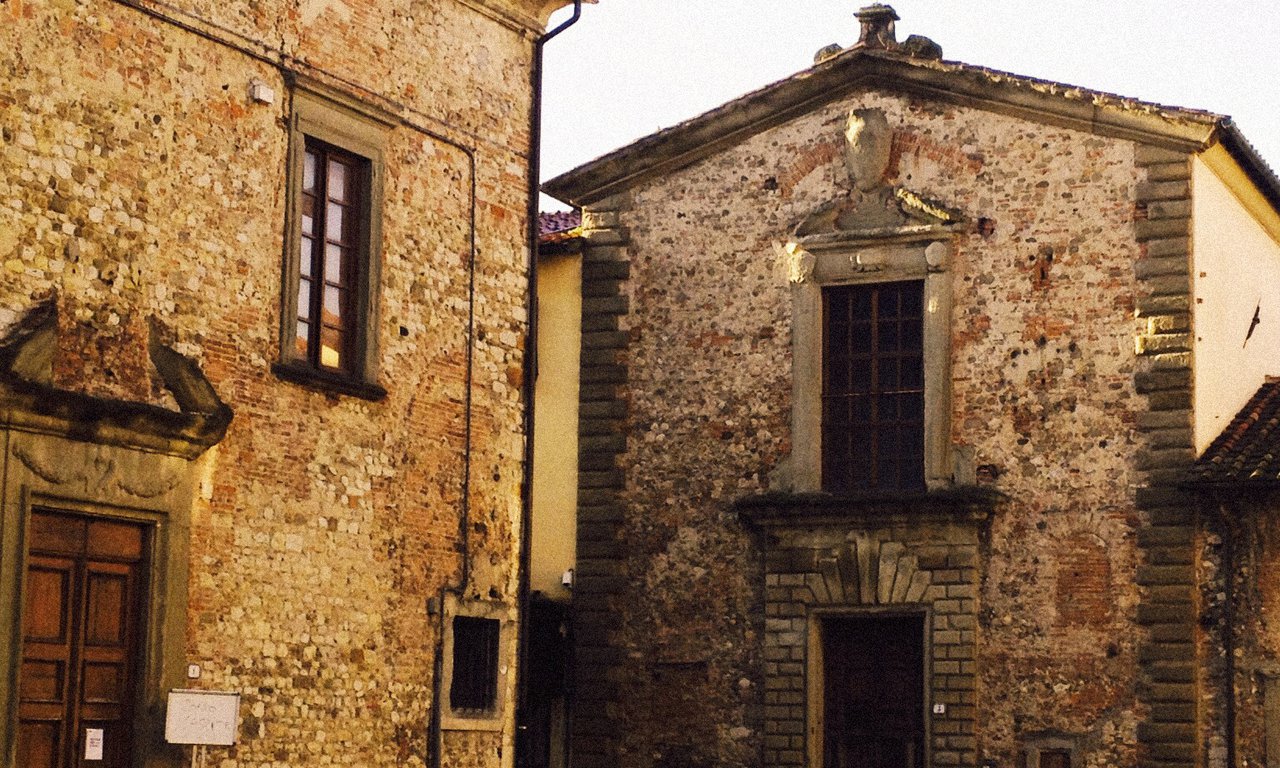
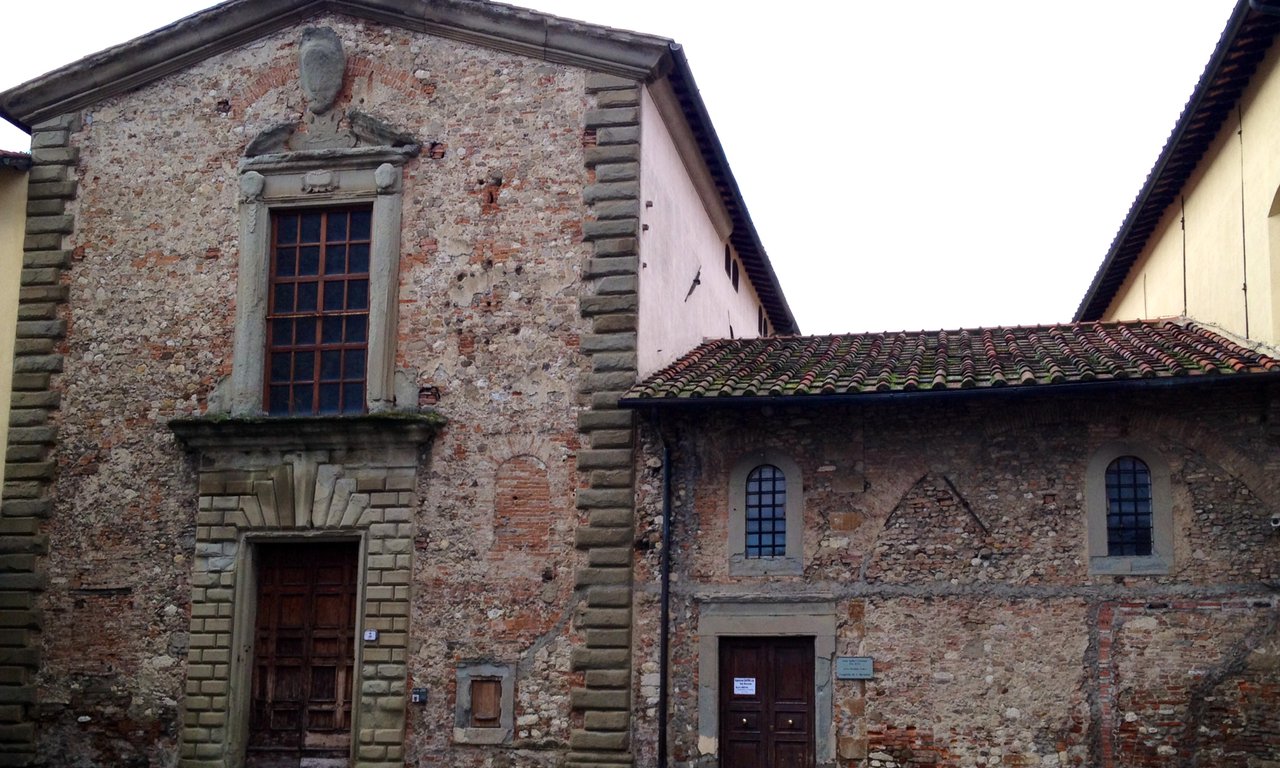
The Misericordia Hospital was established at the beginning of the thirteenth century to house sick people and orphan children. Over the centuries, the complex was enriched with the Church of St. Barnabas (XIII century), the New Pilgrims House build in 1335 and used as men-infirmary (the magnificent altarpiece by Giovanni da Milano comes from here, and is today among the masterpieces of the collection of the Museum), and the palazzo degli Spedalinghi (early sixteenth century), where you can admire the Last Judgement painted by Cino Bonaccorso (1345).
In the first half of the sixteenth century, after the sacking of Prato by Spanish troops (1512) and a serious outbreak of plague (1526), the hospital and the other three holy places were closed by order of the Grand Duke Cosimo I de 'Medici. After many vicissitudes, the hospital was reopened in June 1545, together with the one called “Dolce”. At the same time a pharmacy was founded, and destined to follow the events of the Institute. Later on, the Hospital greatly increased its patrimony, confiscating the ones of other institutions, (some of which were very important, such as the Spedale di Altopascio), and the legacies of many families, continuing to give assistance to abandoned babies (gettatelli) and the young girls. In 1783 the Grand Duke Peter Leopold of Lorraine, assigned to the Hospital, the property of the suppressed monastery of St. Catherine. From 1897 to 1933 the gradual delivery of the artistic heritage of the Hospital to the City of Prato occurred, and today it’s partially exposed in the Museum of palazzo Pretorio.
The Misericordia Hospital was established at the beginning of the thirteenth century to house sick people and orphan children. Over the centuries, the complex was enriched with the Church of St. Barnabas (XIII century), the New Pilgrims House build in 1335 and used as men-infirmary (the magnificent altarpiece by Giovanni da Milano comes from here, and is today among the masterpieces of the collection of the Museum), and the palazzo degli Spedalinghi (early sixteenth century), where you can admire the Last Judgement painted by Cino Bonaccorso (1345).
In the first half of the sixteenth century, after the sacking of Prato by Spanish troops (1512) and a serious outbreak of plague (1526), the hospital and the other three holy places were closed by order of the Grand Duke Cosimo I de 'Medici. After many vicissitudes, the hospital was reopened in June 1545, together with the one called “Dolce”. At the same time a pharmacy was founded, and destined to follow the events of the Institute. Later on, the Hospital greatly increased its patrimony, confiscating the ones of other institutions, (some of which were very important, such as the Spedale di Altopascio), and the legacies of many families, continuing to give assistance to abandoned babies (gettatelli) and the young girls. In 1783 the Grand Duke Peter Leopold of Lorraine, assigned to the Hospital, the property of the suppressed monastery of St. Catherine. From 1897 to 1933 the gradual delivery of the artistic heritage of the Hospital to the City of Prato occurred, and today it’s partially exposed in the Museum of palazzo Pretorio.