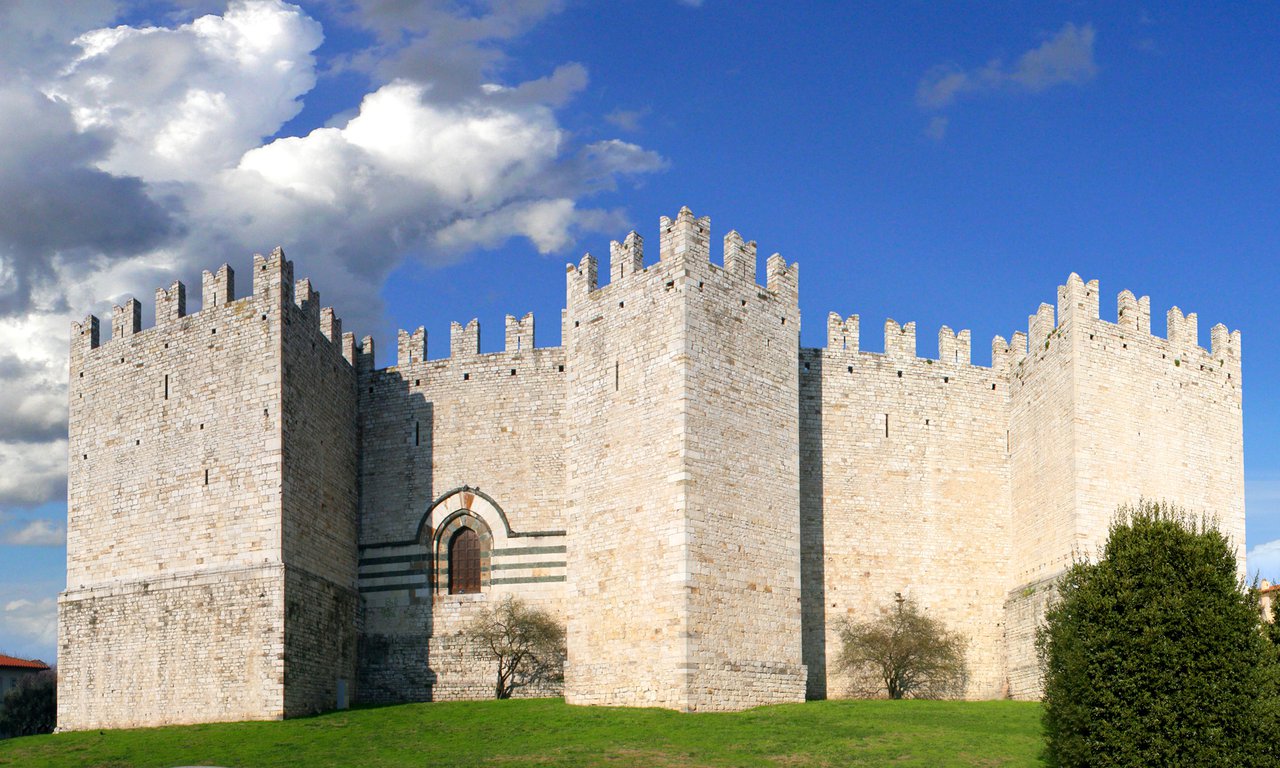
The Castello dell'Imperatore stands out for the beauty of its bright geometric alberese-made surfaces, just marked by thin loopholes. The building is a splendid example of Svevian architecture by the time of Frederick II (1194-1250), the great emperor called "wonder of the world" .
Its construction started in 1240 under the direction of Riccardo da Lentini, architect of the castles of Augusta, Siracusa, Catania, but it was never completed because of the death of Frederick II. After the passage of Prato under the dominion of Florence in 1351, the castle was connected to the new, large walls of the city thanks to a fortified corridor, then called “Cassero”, and then became for long the residence of the garrison. Many changes occurred, between the seventeenth and nineteenth centuries (the castle also was military headquarters and prisons).
In 1932 it was purchased by the city and restored several times. The battlemented walkway was restored and both the buildings leaning against the walls and the modest structures that occupied the inside were knocked down, and the current, vast courtyard was created.
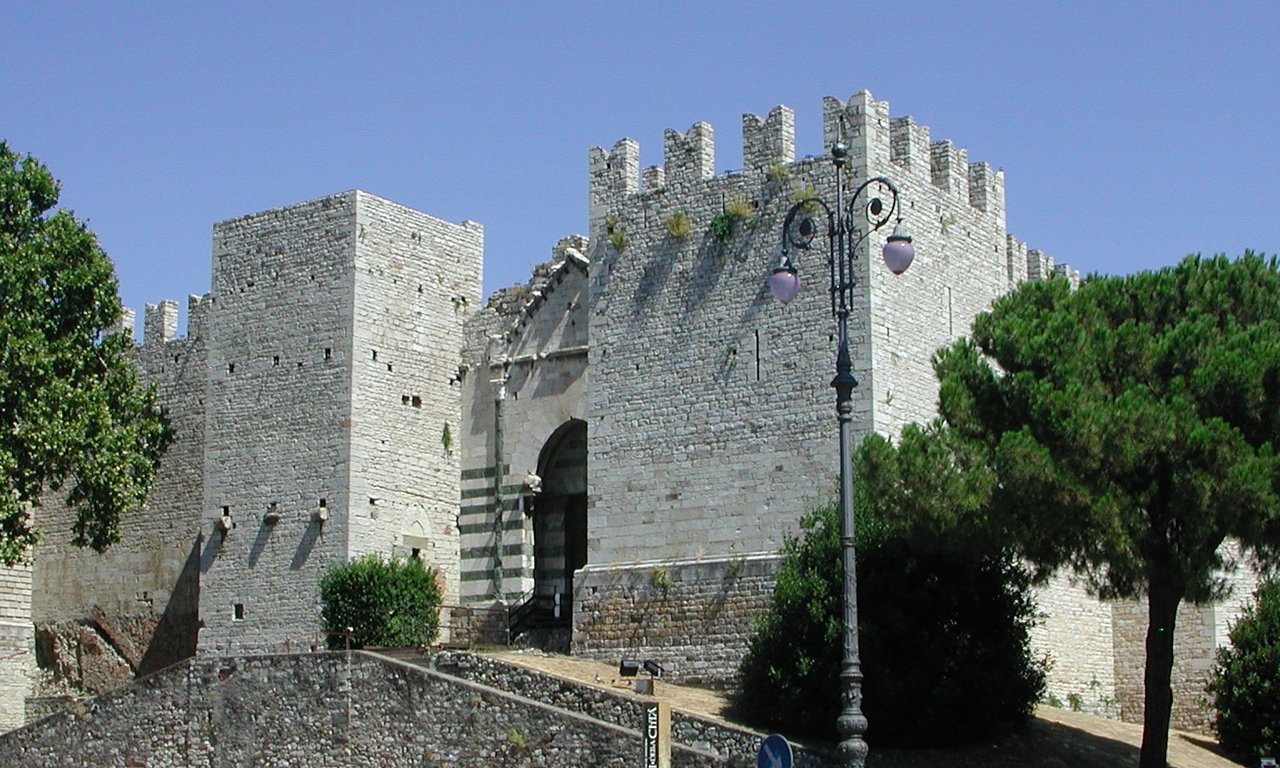
The castle has a square plan, embellished with towers and turrets. The main portal combines a classic cues (columns with tympanums) with gothic ones, (lion-flamked pointed arch), and with the two colors of the limestone and the "green marble from Prato".
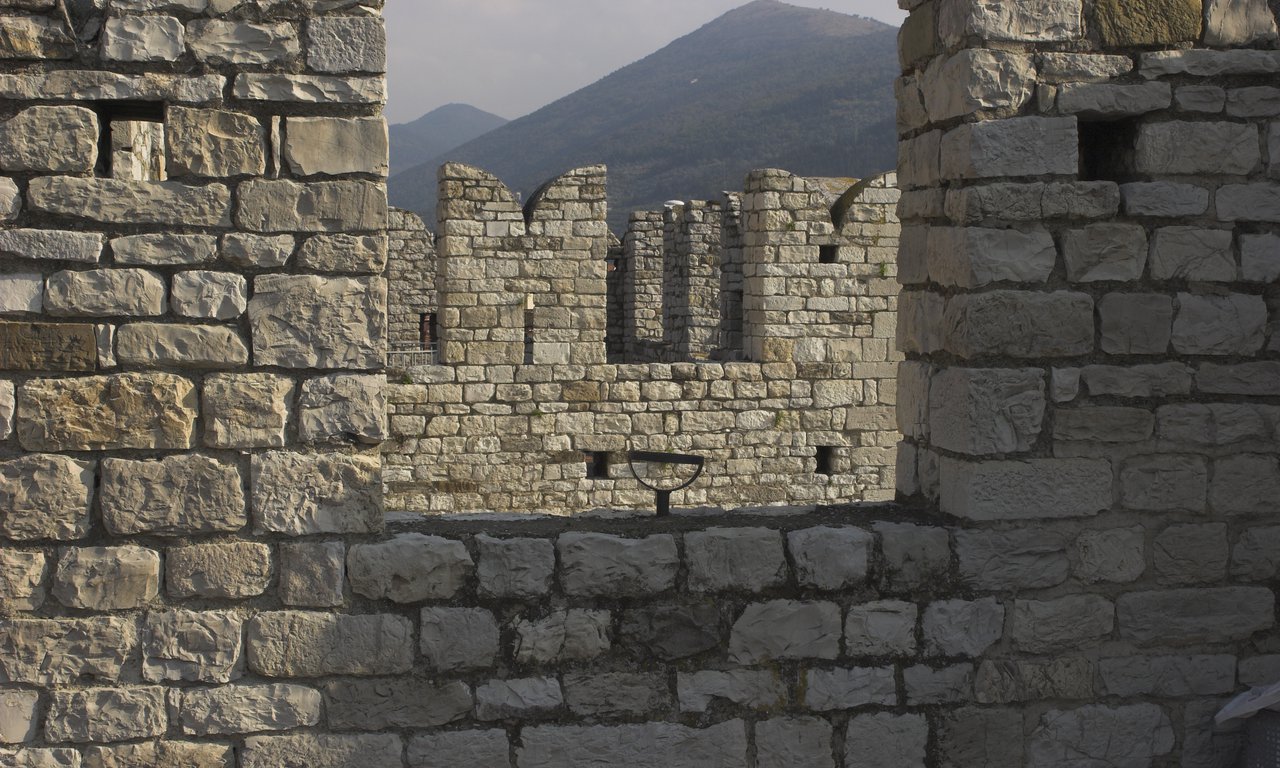
The two towers on the south-west and north-east corners lead to the battlemented walkway, with a splendid view on the city.
The Castello dell'Imperatore stands out for the beauty of its bright geometric alberese-made surfaces, just marked by thin loopholes. The building is a splendid example of Svevian architecture by the time of Frederick II (1194-1250), the great emperor called "wonder of the world" .
Its construction started in 1240 under the direction of Riccardo da Lentini, architect of the castles of Augusta, Siracusa, Catania, but it was never completed because of the death of Frederick II. After the passage of Prato under the dominion of Florence in 1351, the castle was connected to the new, large walls of the city thanks to a fortified corridor, then called “Cassero”, and then became for long the residence of the garrison. Many changes occurred, between the seventeenth and nineteenth centuries (the castle also was military headquarters and prisons).
In 1932 it was purchased by the city and restored several times. The battlemented walkway was restored and both the buildings leaning against the walls and the modest structures that occupied the inside were knocked down, and the current, vast courtyard was created.
The castle has a square plan, embellished with towers and turrets. The main portal combines a classic cues (columns with tympanums) with gothic ones, (lion-flamked pointed arch), and with the two colors of the limestone and the "green marble from Prato".
The two towers on the south-west and north-east corners lead to the battlemented walkway, with a splendid view on the city.