The church of Saint Augustine was begun during the late 1300s and completed by 1440.
It was restored various times during the 1800-1900s, including repair work to damage incurred during the Second World War. It was completely restored in 1964, once in the hands of the Sacramentini fathers.
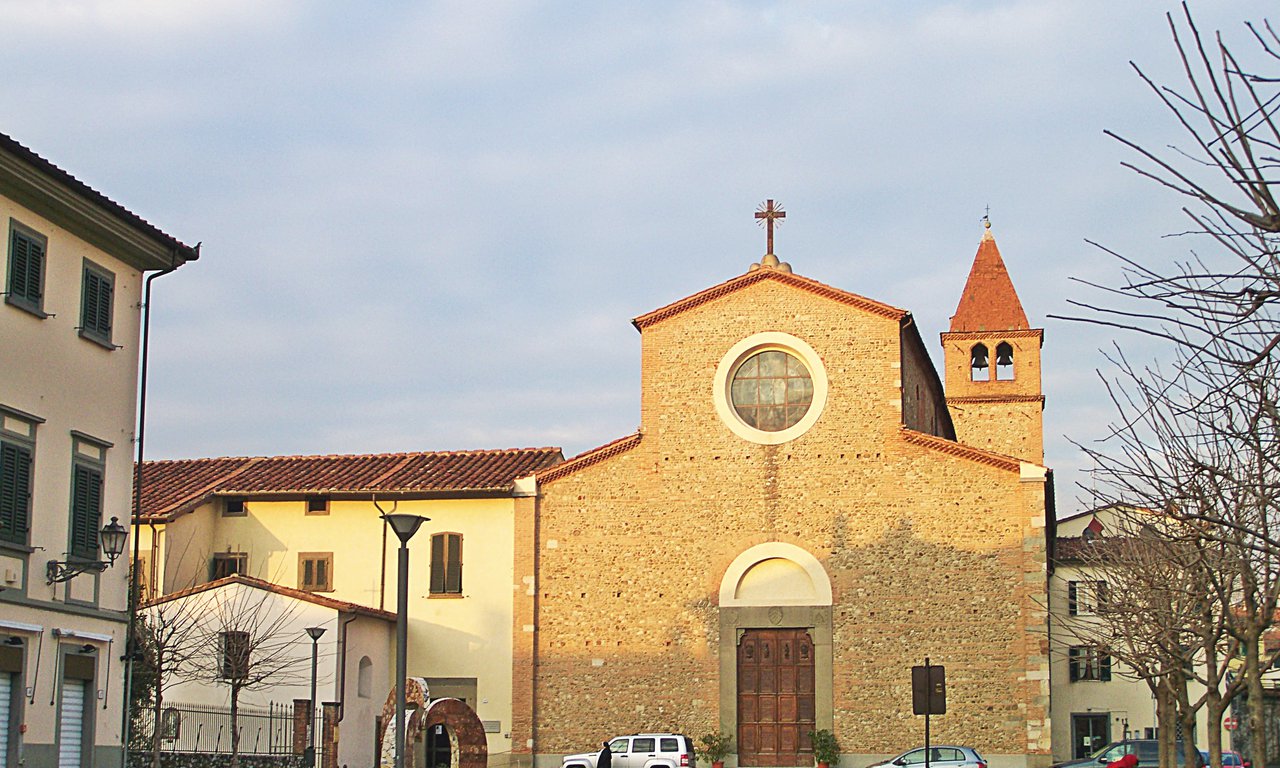
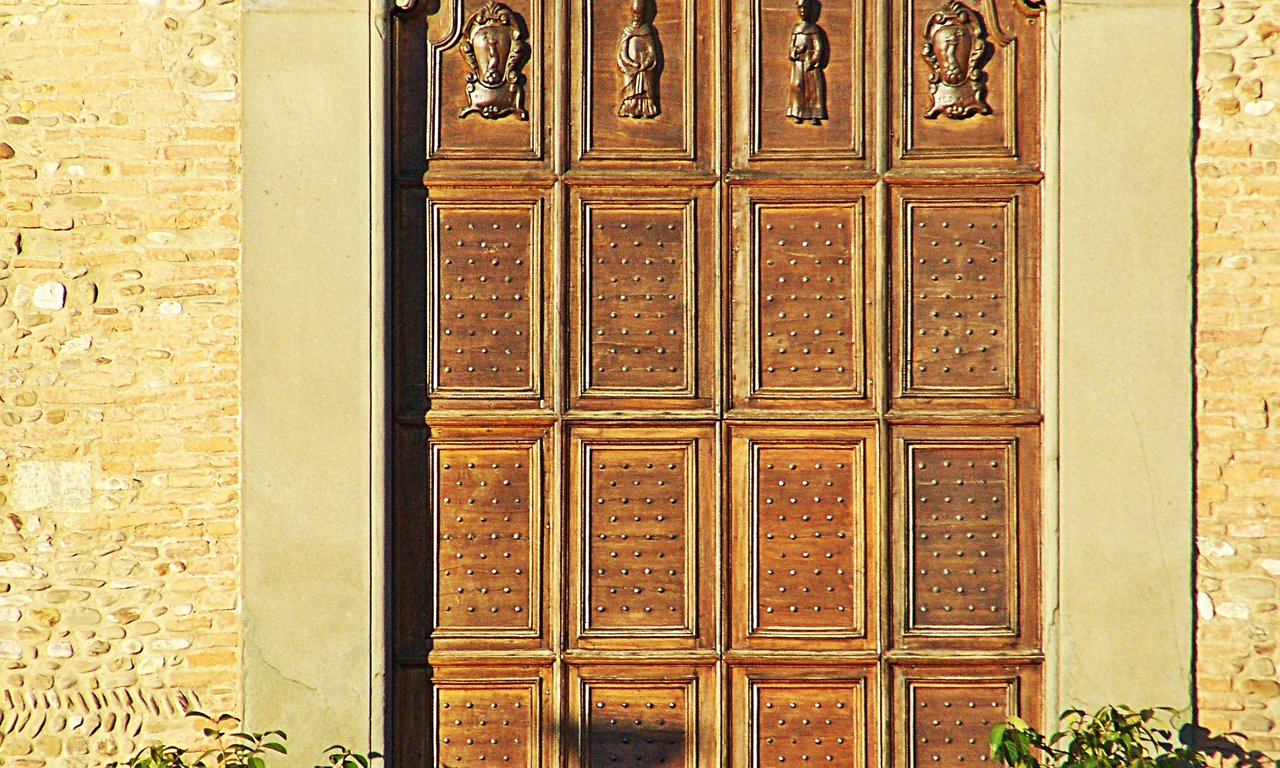
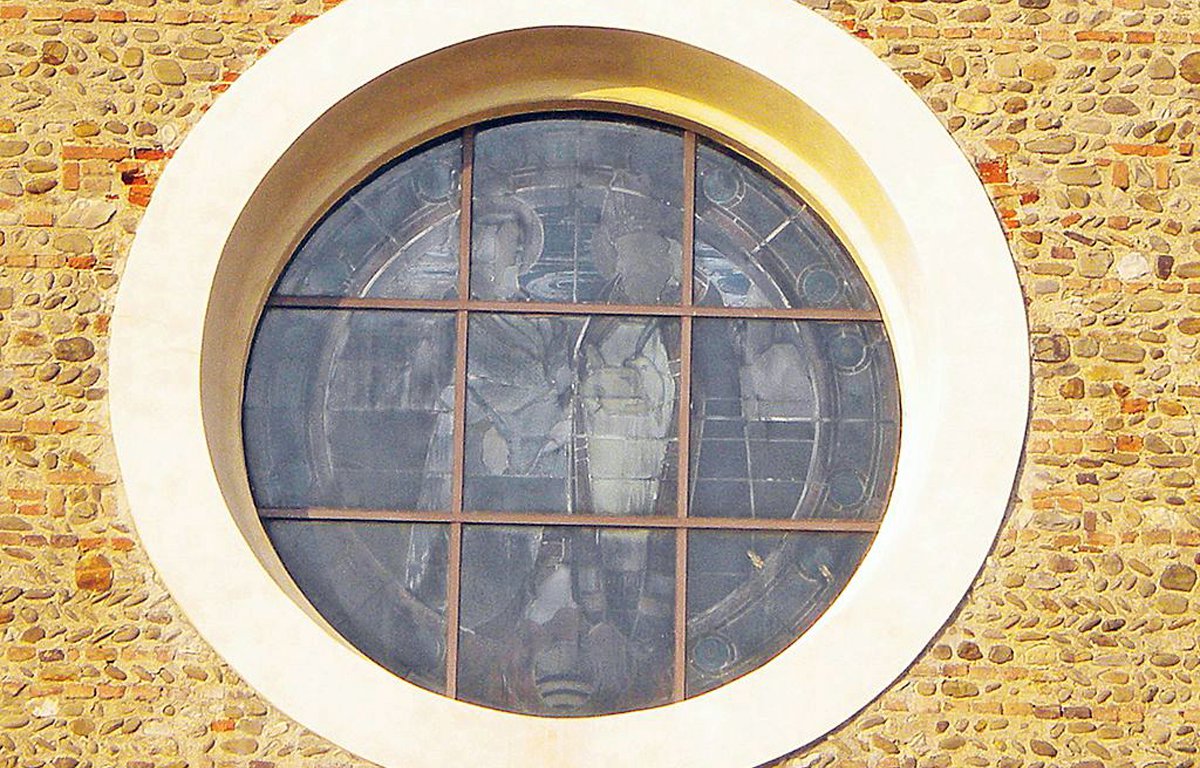
The Basilica-style facade is built in pebbles with corners in brick, Alberese and sandstone. The early 15th century portal bears the family crests of Francesco Datini, the Council and the new Ceppo. The right hand apse supports the bell-tower, built on a rectangular floor plan and with a pyramidal spire.
The church’s interior constitutes an interesting example of the transition from Gothic to Renaissance: initially laid out on a single nave with three absidal chapels, it was subsequently subdivided into three naves with rounded arches resting on brick columns with waterleaf capitals.
The central nave is covered by a wooden truss ceiling, while the side naves are surmounted by depressed groin vaults.
Paintings of note include a depiction of Our Lady of Consolation by Giovan Battista Naldini, a pupil of Pontormo and collaborator of Vasari’s; a Saint Thomas Distributing Alms, a masterpiece of the painter and poet Lorenzo Lippi dating to 1662, and a Saint Augustine contemplating the Mystery of the Trinity, by the Sienese artist Raffaello Vanni.
To the left of the church is the convent. The early 14th century barrel vaulted vestibule leads to the 16th century cloister ‘of the dead’, and the Oratory of Saint Michael, which houses ample remains of a Procession of Saints and Prophets frescoed at the end of the 1300s.
The church of Saint Augustine was begun during the late 1300s and completed by 1440.
It was restored various times during the 1800-1900s, including repair work to damage incurred during the Second World War. It was completely restored in 1964, once in the hands of the Sacramentini fathers.
The Basilica-style facade is built in pebbles with corners in brick, Alberese and sandstone. The early 15th century portal bears the family crests of Francesco Datini, the Council and the new Ceppo. The right hand apse supports the bell-tower, built on a rectangular floor plan and with a pyramidal spire.
The church’s interior constitutes an interesting example of the transition from Gothic to Renaissance: initially laid out on a single nave with three absidal chapels, it was subsequently subdivided into three naves with rounded arches resting on brick columns with waterleaf capitals.
The central nave is covered by a wooden truss ceiling, while the side naves are surmounted by depressed groin vaults.
Paintings of note include a depiction of Our Lady of Consolation by Giovan Battista Naldini, a pupil of Pontormo and collaborator of Vasari’s; a Saint Thomas Distributing Alms, a masterpiece of the painter and poet Lorenzo Lippi dating to 1662, and a Saint Augustine contemplating the Mystery of the Trinity, by the Sienese artist Raffaello Vanni.
To the left of the church is the convent. The early 14th century barrel vaulted vestibule leads to the 16th century cloister ‘of the dead’, and the Oratory of Saint Michael, which houses ample remains of a Procession of Saints and Prophets frescoed at the end of the 1300s.