San Niccolò monastery was founded in 1323 at the bequest of Cardinal Niccolò da Prato, and housed its first Dominican community by 1328. It was subject to various building projects until 1785, when Grand-duke Pietro Leopoldo commissioned Giuseppe Valentini to convert it into a conservatory for young, wealthy ladies.
Having been closed down in 1808, the conservatory reopened its doors in 1814, when the nuns of Saint Clement were transferred there.
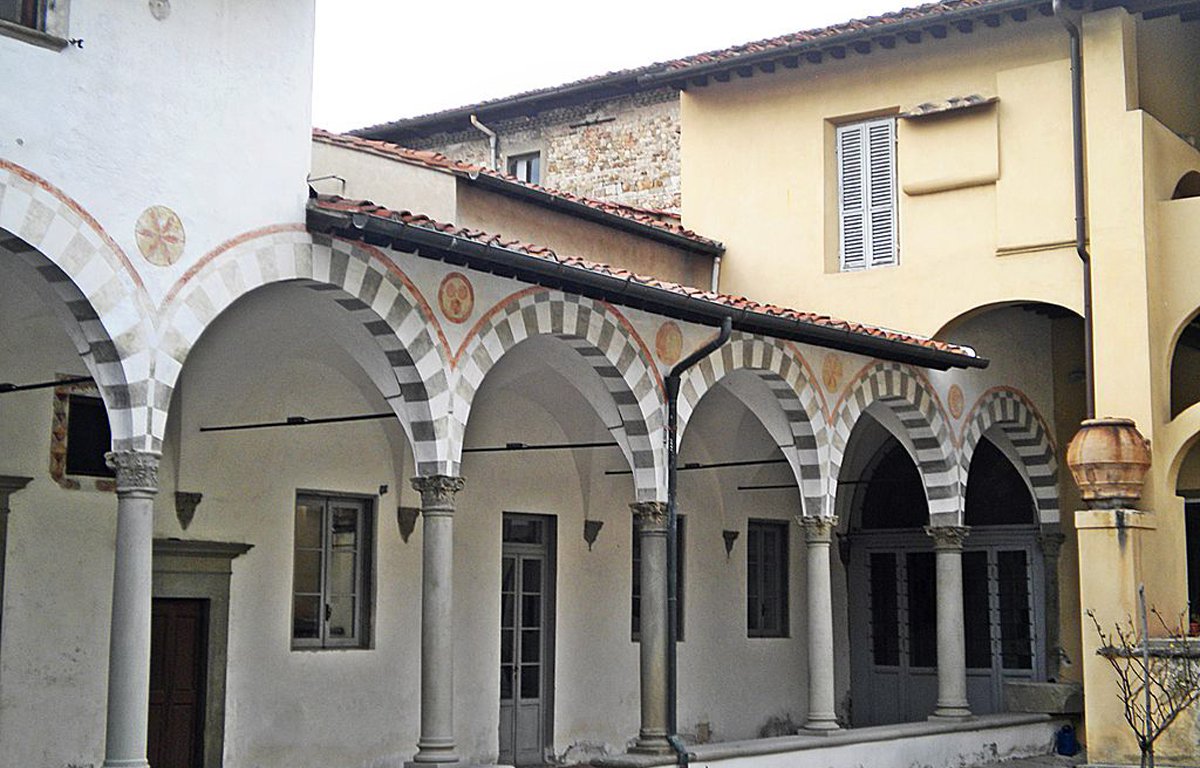
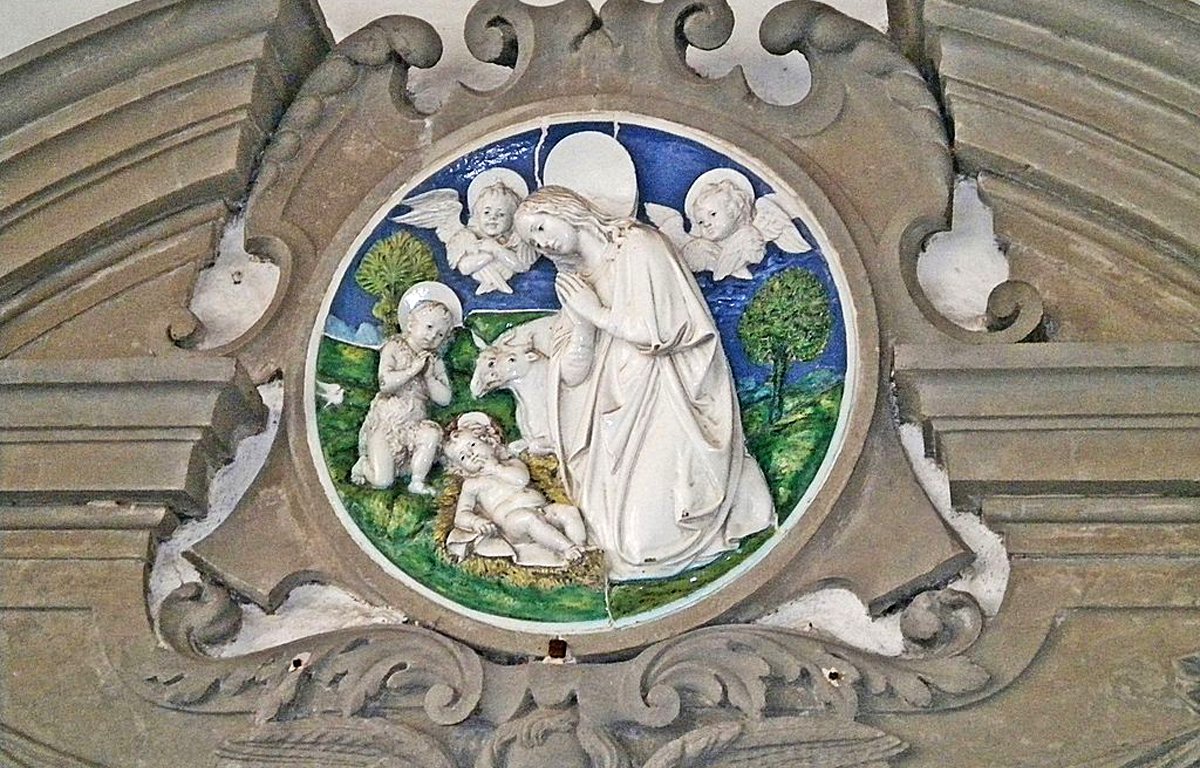
Parts of the ancient monastery that are worthy of note include the refectory, with frescoes by Tommaso di Piero dating to 1490, and the cloister, with a beautiful tondo by the workshop of Andrea della Robbia and a Nativity scene of circa 1460, by Donatello’s workshop.
From the cloister visitors can access the Chapter House, with the remains of its late 14th century decorated wooden ceiling, and frescoes by Girolamo Ristori dating to 1509. Also worthy of note are the archive-pharmacy, with its 18th century furnishings, which houses ceramics and glass and, on the first floor, the Cappella della Spina, a late 16th century wooden sacellum or small shrine.
In ‘Gosto’s’ vegetable garden we can see a rare example of a ‘Scala Santa’, or ‘Holy Stairs’, a suggestive structure imitating a similar one at Saint John Lateran, incorporating a central stairway which was ascended on one’s knees, and two smaller lateral stairways, which lead to an upper chapel known as ‘Calvary’.
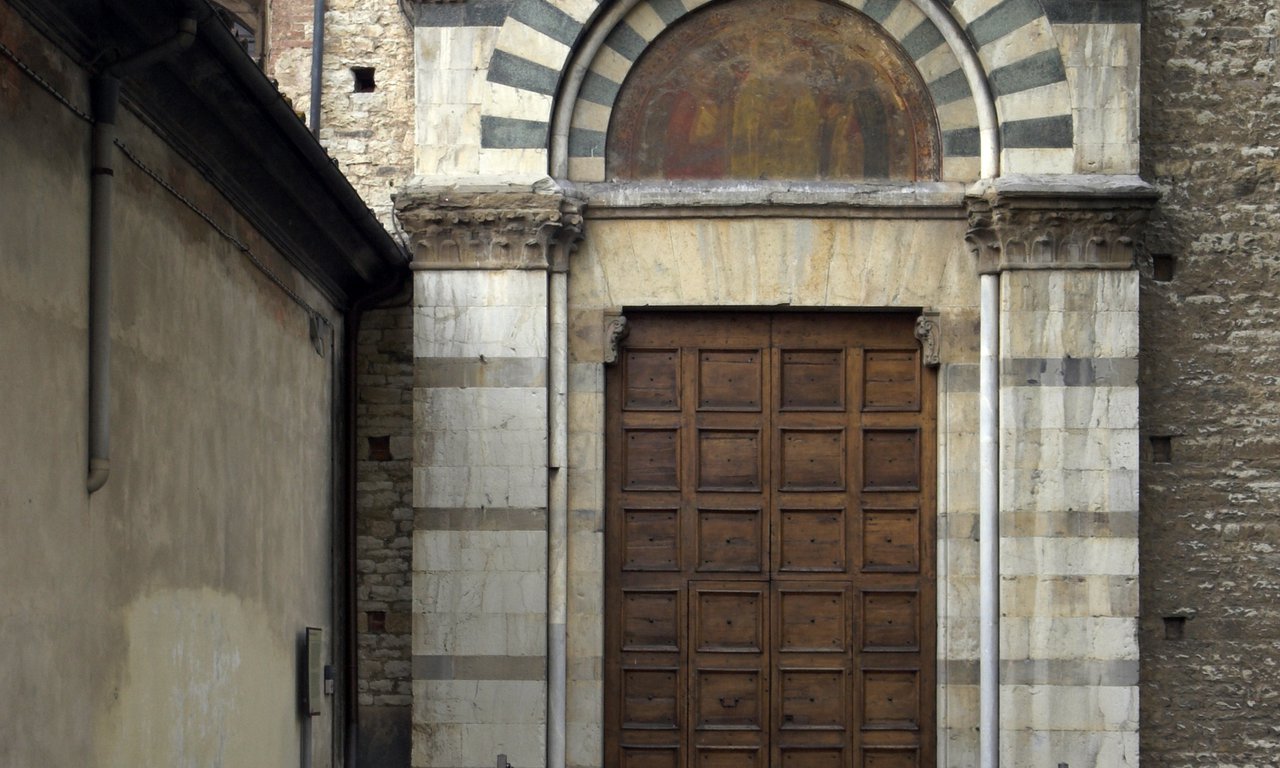
The church of the monastic complex still preserves the original 14th century doorway in Alberese and green Serpentino stone.
The bell-tower behind the church was built in 1760.
San Niccolò monastery was founded in 1323 at the bequest of Cardinal Niccolò da Prato, and housed its first Dominican community by 1328. It was subject to various building projects until 1785, when Grand-duke Pietro Leopoldo commissioned Giuseppe Valentini to convert it into a conservatory for young, wealthy ladies.
Having been closed down in 1808, the conservatory reopened its doors in 1814, when the nuns of Saint Clement were transferred there.
Parts of the ancient monastery that are worthy of note include the refectory, with frescoes by Tommaso di Piero dating to 1490, and the cloister, with a beautiful tondo by the workshop of Andrea della Robbia and a Nativity scene of circa 1460, by Donatello’s workshop.
From the cloister visitors can access the Chapter House, with the remains of its late 14th century decorated wooden ceiling, and frescoes by Girolamo Ristori dating to 1509. Also worthy of note are the archive-pharmacy, with its 18th century furnishings, which houses ceramics and glass and, on the first floor, the Cappella della Spina, a late 16th century wooden sacellum or small shrine.
In ‘Gosto’s’ vegetable garden we can see a rare example of a ‘Scala Santa’, or ‘Holy Stairs’, a suggestive structure imitating a similar one at Saint John Lateran, incorporating a central stairway which was ascended on one’s knees, and two smaller lateral stairways, which lead to an upper chapel known as ‘Calvary’.
The church of the monastic complex still preserves the original 14th century doorway in Alberese and green Serpentino stone.
The bell-tower behind the church was built in 1760.