The Collegio Cicognini was founded during the late 1600s on the site of a pre-existing monastic complex that was sold to the Jesuits for the purpose of their forming a college following a bequest by a local canon named Francesco Cicognini.
Becoming the seat of intense cultural and didactic activity, the Collegio schooled the learned local middle classes among others. Pupils included Gabriele D’Annunzio, Curzio Malaparte and Bettino Ricasoli. The Jesuits managed it until 1773, when the Grand-Duke suppressed and secularized all their convents and Institutes. In 1882, the Collegio became a national boarding school.
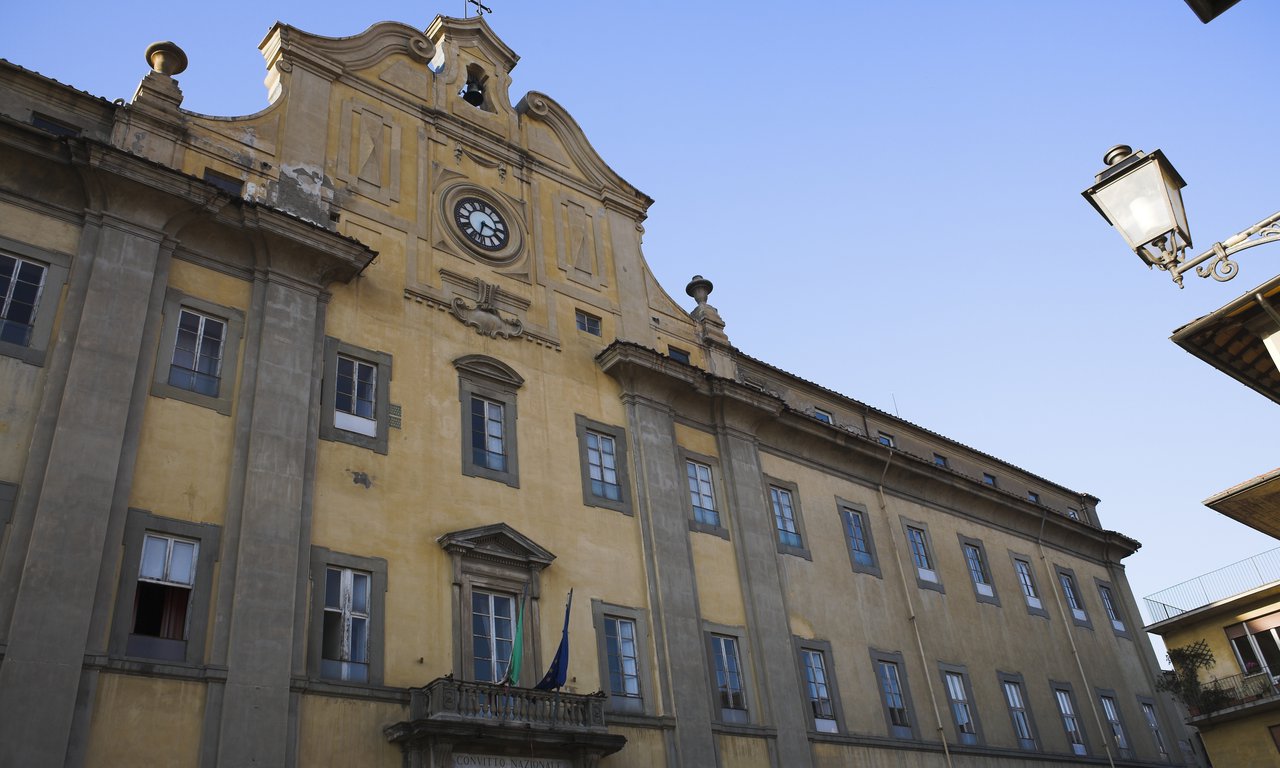
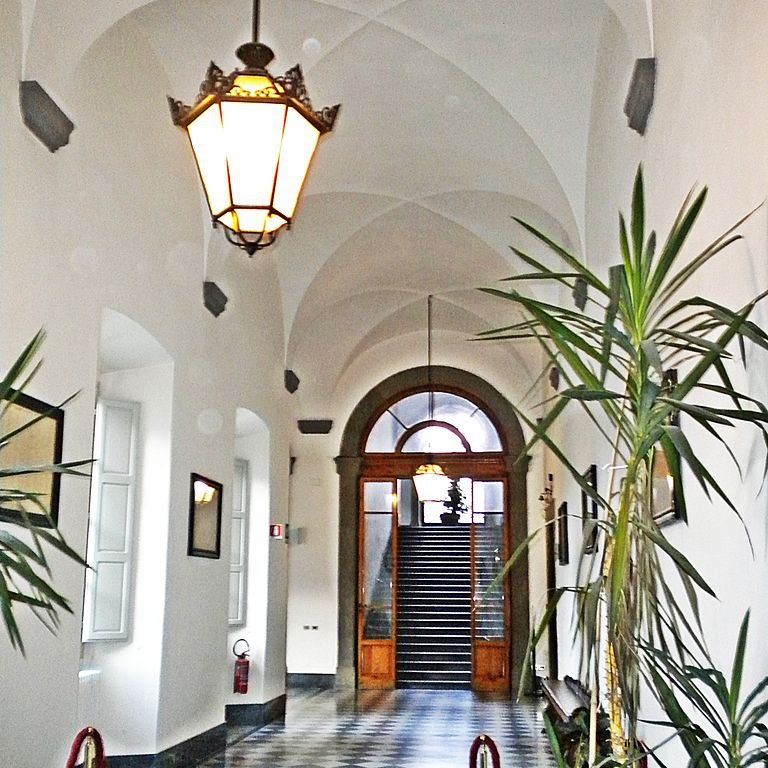
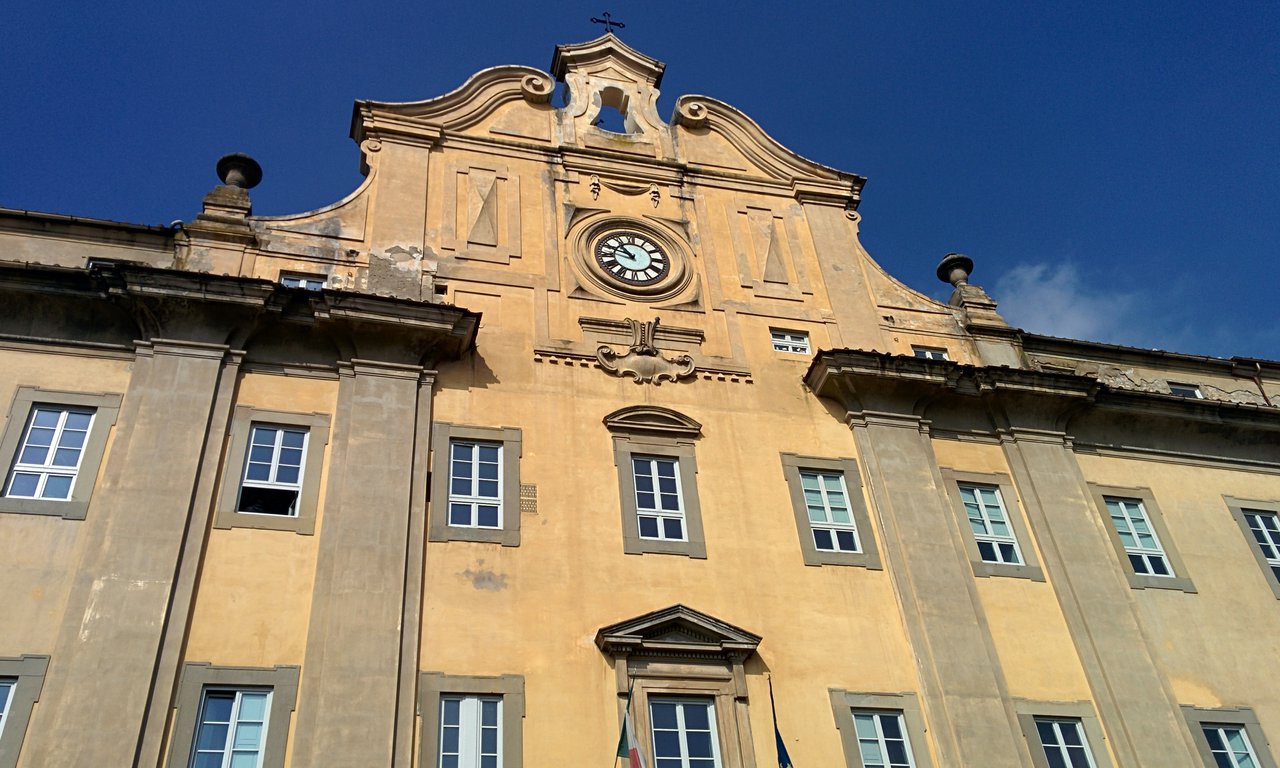
The palazzo, which was designed by Giovan Battista Origoni, dominates the piazza of the same name with its facade spanning three floors and surmounted by an attic level. The monumental portal and atrium were designed in 1793 by the local architect Giuseppe Valentini. The northern section of the building was only completed in 1887-90 by Giuseppe Bacci, who raised it to the level of the central section.
Inside sombre and severe areas alternate with large decorated rooms and lavishly decorated areas designed for large gatherings. Its most interesting rooms include the Picture Gallery, Theatre and Refectory, which was frescoed in 1753-54 with sacred scenes by the local artist Giacinto Fabbroni, and the boarders’ chapel, which still preserves the original 18th century wooden furnishings. The lavish library and archive are also of interest and well preserved.
The Collegio Cicognini was founded during the late 1600s on the site of a pre-existing monastic complex that was sold to the Jesuits for the purpose of their forming a college following a bequest by a local canon named Francesco Cicognini.
Becoming the seat of intense cultural and didactic activity, the Collegio schooled the learned local middle classes among others. Pupils included Gabriele D’Annunzio, Curzio Malaparte and Bettino Ricasoli. The Jesuits managed it until 1773, when the Grand-Duke suppressed and secularized all their convents and Institutes. In 1882, the Collegio became a national boarding school.
The palazzo, which was designed by Giovan Battista Origoni, dominates the piazza of the same name with its facade spanning three floors and surmounted by an attic level. The monumental portal and atrium were designed in 1793 by the local architect Giuseppe Valentini. The northern section of the building was only completed in 1887-90 by Giuseppe Bacci, who raised it to the level of the central section.
Inside sombre and severe areas alternate with large decorated rooms and lavishly decorated areas designed for large gatherings. Its most interesting rooms include the Picture Gallery, Theatre and Refectory, which was frescoed in 1753-54 with sacred scenes by the local artist Giacinto Fabbroni, and the boarders’ chapel, which still preserves the original 18th century wooden furnishings. The lavish library and archive are also of interest and well preserved.